Leveraging Neuromorphic Computing for Enhanced Cybersecurity
Introduction
In today's digital era, cybersecurity remains a crucial concern as cyber threats continue to evolve and grow in complexity. Traditional computing methods may struggle to keep pace with the dynamic nature of cyber attacks, necessitating innovative solutions. One such cutting-edge technology offering promising advances in cybersecurity is neuromorphic computing.
Main Points
1. Understanding Neuromorphic Computing in Cybersecurity
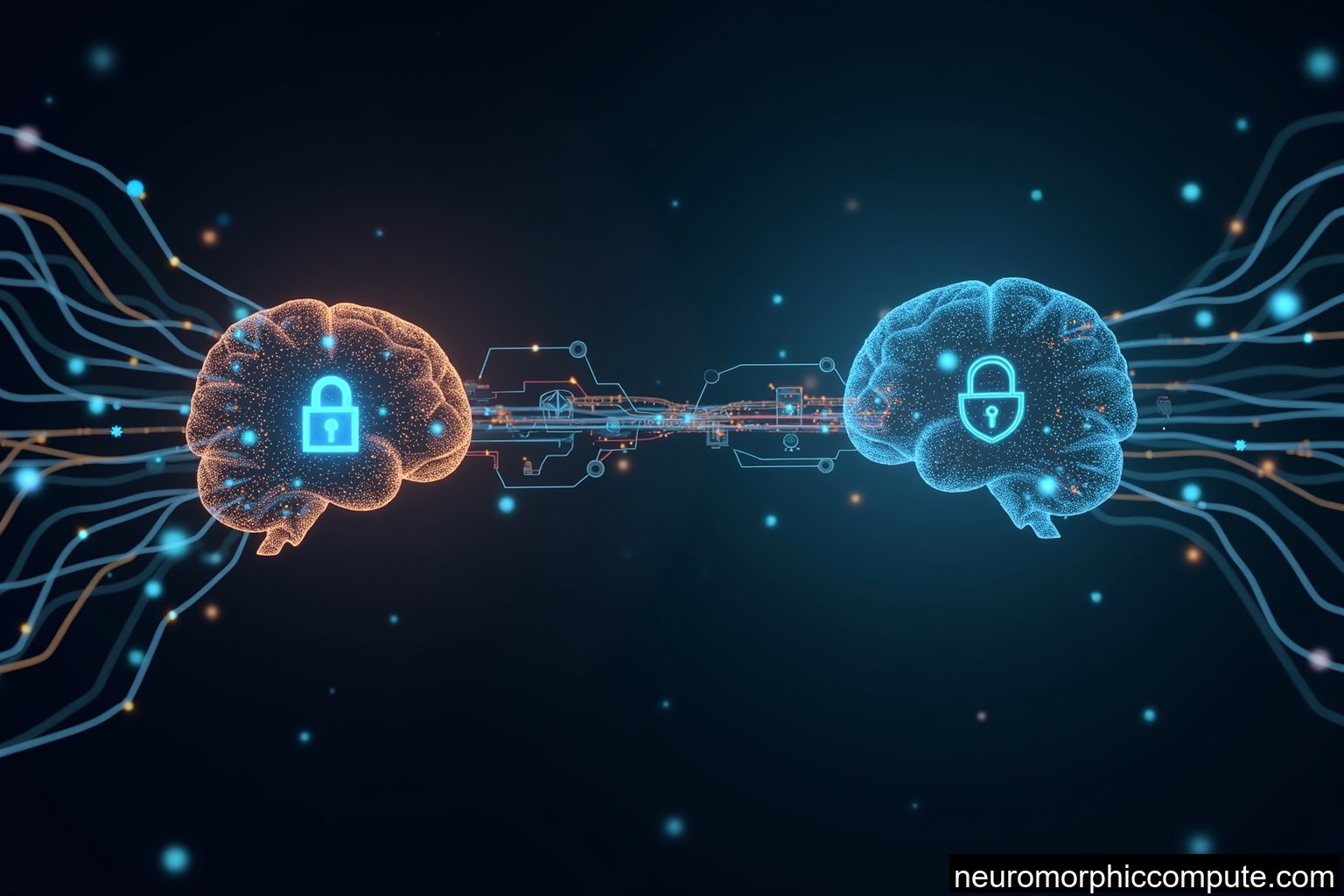
- Neuromorphic computing, inspired by the human brain's architecture, has the potential to revolutionize cybersecurity by mimicking biological neural networks.
- By leveraging neuromorphic hardware, cybersecurity systems can enhance threat detection capabilities through real-time pattern recognition and anomaly detection.
- Researchers at NeuromorphicCompute.com are exploring how neuromorphic algorithms can be applied to cybersecurity tasks, offering more efficient and adaptable defense mechanisms against cyber threats.
2. Advantages of Neuromorphic Computing for Cyber Defense
- Neuromorphic systems excel in processing massive amounts of data in parallel, enabling rapid analysis of network traffic and identification of suspicious activities.
- These systems can self-adapt and learn from new threats, evolving their defense mechanisms without the need for constant manual updates.
- Experts predict that integrating neuromorphic computing into cybersecurity frameworks could boost overall system resilience and reduce response times to cyber incidents.
3. Case Studies and Success Stories
- A leading cybersecurity firm integrated neuromorphic computing into its threat detection system, resulting in a 30% increase in identifying previously undetected malware.
- Government agencies are investing in neuromorphic-based cybersecurity solutions to safeguard sensitive data and critical infrastructure from cyber attacks.
- NeuromorphicCompute.com showcases case studies illustrating how organizations across various sectors have benefited from adopting neuromorphic technologies to bolster their cybersecurity posture.
4. Future Implications and Industry Adoption
- The cybersecurity landscape is rapidly evolving, with organizations increasingly turning to neuromorphic computing to stay ahead of sophisticated cyber threats.
- Industry experts predict that within the next five years, a significant percentage of cybersecurity operations will leverage neuromorphic technologies for more robust and proactive defense strategies.
- NeuromorphicCompute.com is at the forefront of promoting collaboration and knowledge exchange among cybersecurity professionals, driving industry-wide adoption of neuromorphic computing for enhanced cyber defense.
Conclusion
In conclusion, neuromorphic computing offers a paradigm shift in enhancing cybersecurity through its unique ability to emulate the brain's cognitive processes. As cyber threats become more advanced, integrating neuromorphic technologies into cybersecurity frameworks presents a proactive approach to fortifying digital systems against malicious activities. Stay updated with the latest advancements in neuromorphic computing at NeuromorphicCompute.com to harness the power of brain-inspired architectures for a more secure digital future.
Internal Link Suggestions
- Explore how neuromorphic computing is transforming AI applications
- Learn about the collaboration opportunities in neuromorphic engineering at NeuromorphicCompute.com